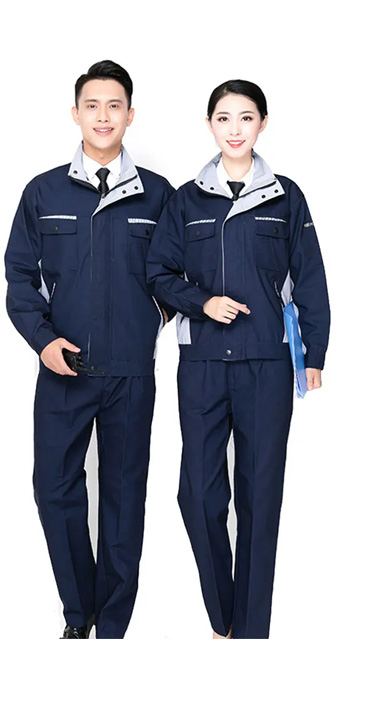
For workers in unheated environments—warehouses, outdoor construction, logistics yards, cold storage facilities, and agricultural operations—thermal head protection is a safety and productivity issue. The head dissipates a disproportionate amount of body heat; an uncovered head in freezing temperatures accelerates core heat loss and reduces concentration and dexterity. A well-chosen knitted hat worn during breaks and outdoor exposure measurably extends comfortable work time in cold conditions.
Beyond protection, workwear knit caps serve a brand identity function. A company-branded knitted beanie worn by field crews creates ongoing brand impressions at minimal cost—similar to other work clothes in a uniform program. The same logic that drives investment in branded safety vests and jackets applies to headwear.
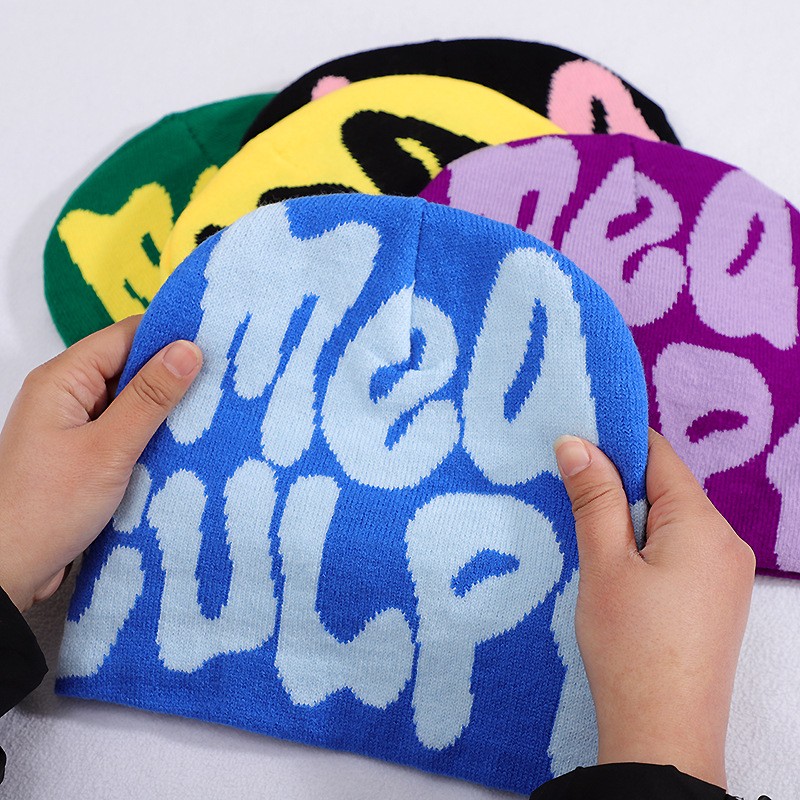
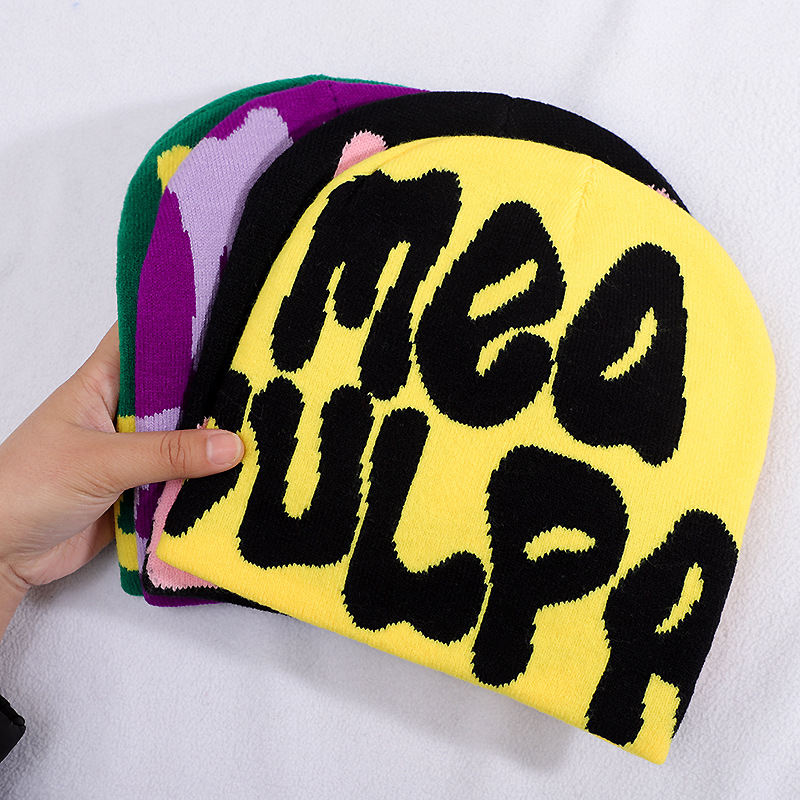
Acrylic knit hats are the dominant choice for value workwear programs. Acrylic fibers are lightweight, quick-drying, resist moth damage, and hold their shape through repeated laundering. They are significantly cheaper than wool and perform adequately in mild to moderate cold. For indoor warehouse workers or outdoor temperatures above freezing, an acrylic knit cap is a practical, durable option. The fiber also accepts dye readily, producing consistent, vibrant colors for branding purposes. A quality acrylic knit hat maintains its shape and color through 50+ wash cycles.
A wool knit cap delivers superior thermal performance. Wool fibers naturally trap air and wick moisture away from the skin, continuing to insulate even when damp—a critical advantage in work environments where workers sweat and then step outside into freezing air. Merino wool, in particular, is finer and softer than traditional coarse wool, reducing itchiness during extended wear. Wool costs more but offers a longer service life in demanding outdoor environments. Blending wool with acrylic (typically 50/50) combines warmth with durability and reduces the cost premium.
For premium outdoor knitted beanies in professional outdoor guide, ski resort, or high-end workwear programs, alpaca or cashmere blends offer exceptional warmth at lower weights. These fibers are significantly more expensive and are typically reserved for occupational apparel programs targeting premium positioning or gift/recognition programs rather than bulk workwear distribution.
Synthetic knit hats using polyester, nylon, or polypropylene blended with acrylic or wool offer moisture-wicking performance useful for active outdoor workers. These blends are increasingly specified for mountain rescue, forestry, and utility crews where perspiration management matters. A thermal knit hat using a synthetic inner lining and wool outer shell is a practical performance construction.
The most common knitted hat construction uses vertical rib columns created by alternating knit and purl stitches. Rib knits have natural horizontal elasticity that allows the hat to stretch over the head and recover, providing a secure fit without needing a tight band. Rib knit also creates vertical channels that assist air circulation, improving comfort during active wear.
A cable knit cap uses crossed-stitch patterns to create a thicker, more textured fabric with greater air-trapping capacity. Cable knit constructions are approximately 20–30% warmer than standard rib knits of equivalent fiber content. They are preferred for outdoor work in genuinely cold climates and are a recognizable visual marker of warmth-oriented headwear.
A full-cardigan or double-knit construction uses two sets of needles to create a substantially thicker fabric with no visible reverse side. Double-knit knitted hats offer maximum warmth and wind resistance and are the standard for extreme cold work environments. The tradeoff is slightly reduced breathability and a bulkier profile that may not fit comfortably under a hard hat or helmet.
Beyond fiber and construction, several features affect the utility of a knitted hat in a work environment:
Extended ear protection fold: A deeper knit cap that can be folded down over the ears provides targeted cold protection without the bulk of a full balaclava.
LED or reflector integration: Some manufacturers embed retroreflective yarn or sew-on reflective tape into the knit for low-light visibility—a practical feature for roadside workers and night-shift crews.
Hard hat compatibility: Low-profile knit caps designed to fit under a hard hat are essential for construction, roofing, and tower work where head protection is mandatory.
Anti-microbial treatment: Odor-resistant treatments applied to the fiber extend wear cycles between laundering—a practical benefit for workers in remote locations.
Pompom option: A sewn-on pompom adds visual warmth cues and some additional insulation at the crown; less relevant for occupational use but popular for outdoor recreational and company merchandise programs.
Workwear knit caps typically come in one size fits most, relying on the rib knit elasticity to accommodate head sizes from approximately 55cm to 60cm in circumference. For programs serving workers who consistently need larger or smaller sizes, some manufacturers offer size-specific production. Fit should be snug enough to stay on in wind but not tight enough to create pressure discomfort during an eight-hour shift. A custom knit headwear program that allows employees to self-select fit preferences at order time typically sees lower return rates than one-size-fits-all distribution.
For cold storage environments, prioritize a wool knit cap or wool-blend construction with a deep enough profile to cover the ears when folded. A full-cardigan double-knit is preferred for freezers below -10°C. Ensure the interior does not create excessive condensation against the skin—moisture-wicking synthetic inner layers address this better than pure wool against bare skin.
Acrylic knit hats tolerate machine washing in warm water and tumble drying on low heat. Wool knit caps should be washed in cold water on a gentle cycle and laid flat to dry to prevent felting and shrinkage. Specify wash care requirements clearly in your purchase specification to match the expected laundering method in the work environment.
Yes. Most knitted hat manufacturers offer custom branding through embroidered logos, woven labels, jacquard-knit patterns (where the logo is knit directly into the fabric), or printed patches. Jacquard-knit branding is the most durable and premium-feeling option, as the design is structural rather than applied. Embroidery is the most common and cost-effective approach for simple logos.
At mid-volume (500–2,000 pieces), a quality acrylic knit hat typically costs $2.50–$5.00 per unit. A wool or wool-blend knit cap runs $5.00–$12.00. Premium performance or alpaca-blend constructions reach $12.00–$25.00 at equivalent volumes. Custom branding adds $0.50–$2.00 per unit depending on the method.
Standard acrylic and wool knitted hats are not flame-resistant. For environments where FR protection is required, specify an FR-treated acrylic or wool hat certified to the relevant standard (ASTM F1506 in the U.S., EN ISO 11612 in Europe). FR-rated workwear knit caps are available from specialized industrial knitwear suppliers.
A knitted hat is a simple product with real implications for worker comfort, safety, and brand identity in cold and outdoor environments. The choice of fiber—acrylic, wool, or synthetic blend—determines warmth and moisture management. The knit construction—rib, cable, or full-cardigan—sets the insulation level and fit profile. Functional features like ear protection, hard hat compatibility, and reflective elements determine whether the hat actually serves the work environment it is intended for. B2B buyers who specify with this level of precision receive products that workers actually wear, which is the only outcome that matters.
M. Abrams & J. Saunders. (2021). "Thermal insulation properties of natural and synthetic fiber knit structures for protective headwear." Textile Research Journal, 91(11–12), 2489–2502.
K. Bhatia & L. Sharma. (2020). "Moisture management in wool and acrylic workwear fabrics under cold stress conditions." Journal of Industrial Textiles, 50(3), 387–404.
ASTM International. ASTM F1506: Standard Performance Specification for Flame Resistant Textile Materials for Wearing Apparel for Use by Electrical Workers Exposed to Momentary Electric Arc and Related Thermal Hazards.
P. Kumar & R. Singh. (2022). "Ergonomic fit and comfort evaluation of knit headwear in cold work environments." Applied Ergonomics, 101, 103685.
European Committee for Standardization. EN ISO 11612:2015 – Protective Clothing: Clothing to Protect Against Heat and Flame.
FOR NEWSLETTER
Subscribe to the weekly newsletter for all the latest updates