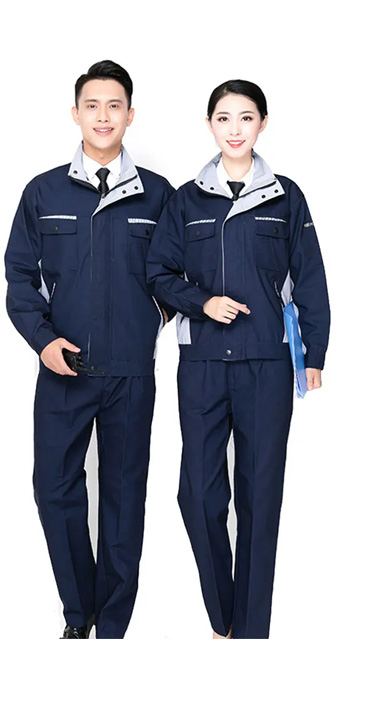
Custom baseball caps remain one of the most cost-effective promotional products in the corporate merchandise industry. The Advertising Specialty Institute (ASI) reports that headwear generates an average of 3,428 impressions per unit—making caps a high-ROI branding investment for companies of all sizes.
Whether you are outfitting a sales team, planning a trade show giveaway, or building brand recognition in industrial settings, understanding materials, construction, and decoration methods is essential to making the right procurement decision.
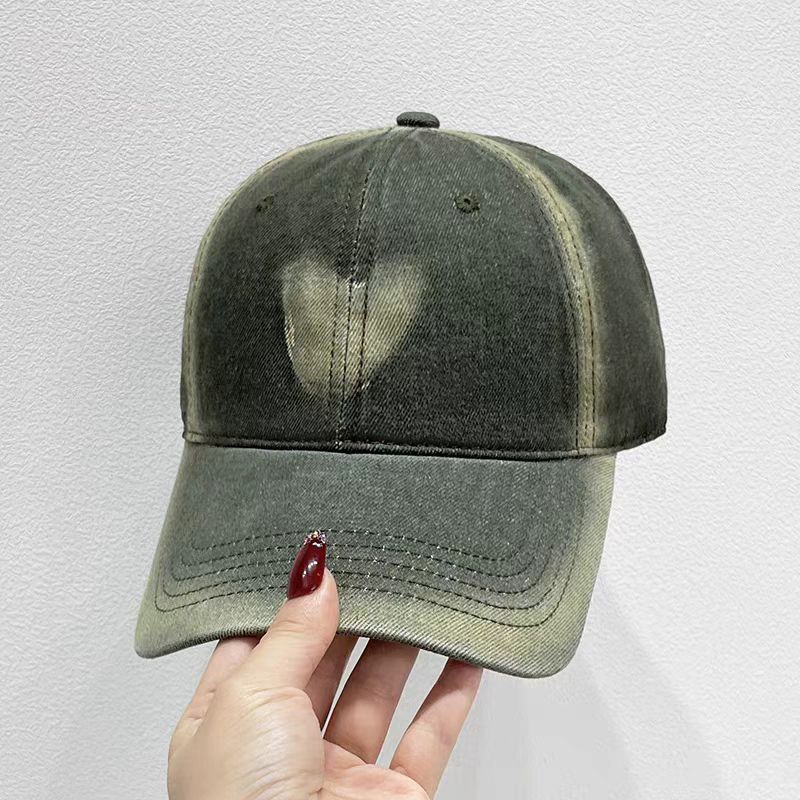
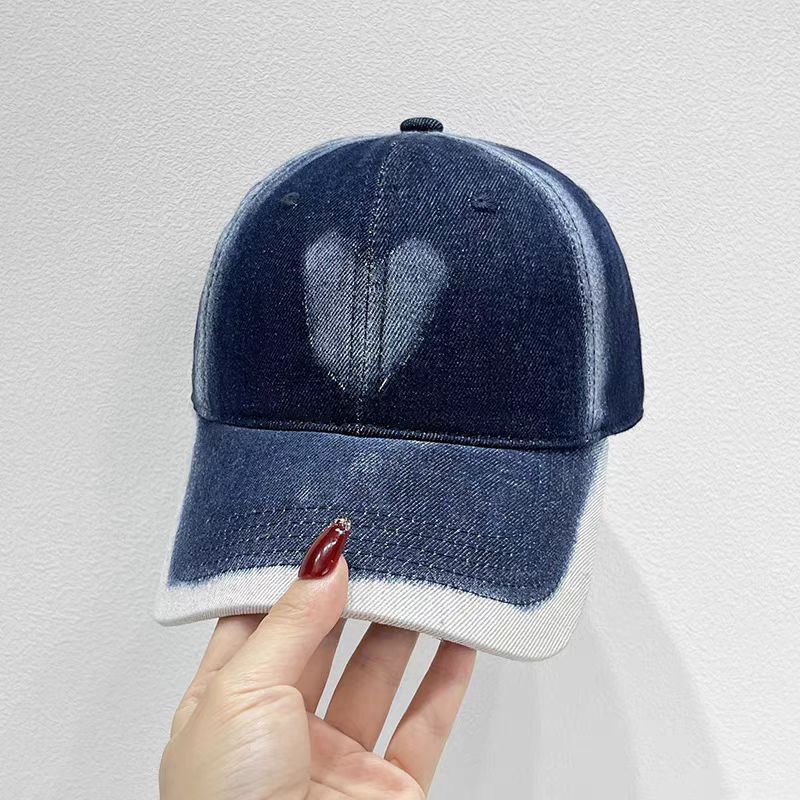
The fabric determines the cap's durability, comfort, appearance, and suitability for specific use cases.
Cotton twill baseball caps are the industry standard for everyday corporate use. The diagonal weave pattern resists wrinkles and provides a structured look. At 210–240 gsm, cotton twill offers a premium hand feel suitable for direct embroidery. However, 100% cotton tends to shrink and fade with repeated washing.
Polyester baseball caps excel in moisture management and color retention. Polyester-cotton blends (typically 65/35) combine the structure of cotton with the durability of synthetics. For outdoor work environments, moisture-wicking polyester mesh panels keep wearers cool and dry.
Washed cotton caps and denim-style caps offer a vintage, casual aesthetic popular in retail and lifestyle branding. The pre-washed finish reduces shrinkage risk and provides immediate comfort without a break-in period.
For athletic, outdoor, or industrial applications, performance baseball caps made from quick-dry polyester with UPF 50+ sun protection deliver measurable functional benefits. These caps command a 20–40% price premium but offer differentiation in crowded promotional markets.
Structured baseball caps use buckram or stiffening fabric in the front panels, maintaining a crisp, high-profile silhouette. Unstructured caps have soft, floppy front panels that conform to the head—preferred for casual and athletic branding.
Snapback caps feature a flat brim and plastic snap closure. Popular in streetwear and youth-oriented branding.
Fitted caps come in specific head sizes (6 ⅞ to 8). Premium feel but require inventory of multiple sizes.
Adjustable caps with hook-and-loop (Velcro) or sliding buckle closures fit most head sizes and are ideal for bulk corporate orders.
Trucker-style caps with foam front panels and mesh back panels offer excellent ventilation and low weight. They are particularly effective for outdoor event giveaways where comfort matters.
The decoration technique you choose affects both visual impact and unit cost.
Embroidered baseball caps are the gold standard for corporate branding. A 3D puff embroidery creates raised, textured logos that stand out. Standard embroidery accommodates designs up to approximately 5 inches wide with 8–15 thread colors. Setup cost: $50–$150 per design. At quantities above 500 units, per-cap embroidery drops below $1.50.
Screen-printed caps work best for simple, large-area designs with 1–3 colors. Cost-effective at high volume (under $0.50 per color at 1,000+ units) but less durable than embroidery and unsuitable for detailed artwork.
Sublimation printing allows full-color, edge-to-edge designs on polyester caps. The dye becomes part of the fabric, so it will not crack, peel, or fade—ideal for photographic or gradient-heavy logos.
Custom patches (embroidered or woven) sewn onto caps offer a premium, layered look popular in fashion and heritage branding. They add $0.80–$2.00 per unit but significantly elevate perceived value.
For bulk baseball cap orders, expect the following pricing tiers:
| Quantity | Basic Cotton Twill | Premium/Performance |
|---|---|---|
| 100–299 | $3.50–$6.00 | $7.00–$12.00 |
| 300–999 | $2.20–$4.50 | $5.50–$9.00 |
| 1,000–4,999 | $1.50–$3.00 | $4.00–$7.00 |
| 5,000+ | $1.00–$2.20 | $3.00–$5.50 |
Prices include single-location embroidery. Add $0.30–$0.80 per location for additional decoration placements.
Define the use case – Employee uniform, trade show giveaway, retail merchandise, or industrial workwear.
Match material to environment – Cotton for indoor/office, polyester for outdoor/sweat-heavy settings, washed cotton for lifestyle branding.
Select decoration method based on logo complexity – Detailed logos: embroidery or sublimation. Bold, simple logos: screen printing.
Order samples first – Always request 2–3 pre-production samples before committing to bulk. Check thread density, color accuracy, and structural quality.
Production typically takes 10–15 business days from artwork approval. Rush orders (5–7 days) usually carry a 15–25% surcharge. Add shipping time based on your location.
Yes. Most manufacturers offer multi-color assortment within a single order. However, each color variant may need to meet a minimum of 50–100 pieces per style to avoid per-unit price increases.
For logos under 1 inch, request high-density digitizing with a minimum of 8,000 stitches. Low-density embroidery on small designs appears sparse and unprofessional.
Increasingly, yes. Organic cotton caps, recycled polyester caps (made from PET bottles), and Bamboo fabric caps are available from major manufacturers. These options carry a 10–30% premium but align with corporate sustainability goals.
Vector files in AI, EPS, or SVG format are preferred. High-resolution PNG or PDF files (300+ dpi) are acceptable for screen printing. Embroidery requires digitized DST or PES files, which most suppliers create from your vector artwork.
Custom baseball caps offer unmatched versatility as a branding medium—balancing low unit costs with high visibility and long service life. By selecting the right material, style, and decoration method for your specific use case, you can create headwear that employees want to wear and clients remember. Request samples, verify decoration quality, and start with manageable trial orders before scaling to full production.
Advertising Specialty Institute. (2023). Global Impressions Study: Promotional Products Effectiveness. ASI Research.
Promotional Products Association International. (2022). Headwear Category Market Report. PPAI.
J. Thompson & R. Liu. (2021). "Consumer recall of branded headwear versus traditional media advertising," Journal of Brand Management, 28(3), 341–358.
M. Rodriguez et al. (2022). "Sustainable materials in corporate merchandise: Performance and perception analysis," Journal of Cleaner Production, 337, 130412.
American Association of Textile Chemists and Colorists. (2023). AATCC Test Methods for Colorfastness and Dimensional Changes.
FOR NEWSLETTER
Subscribe to the weekly newsletter for all the latest updates