Choosing between acrylic and wool for knitted hats is not an abstract material science question—it is a practical procurement decision with real consequences for worker satisfaction, program cost, and replacement frequency. The right choice depends entirely on the use environment, the budget, and the expected service life. A knitted hat supplier worth working with will help you think through these variables rather than defaulting to whichever is cheaper.
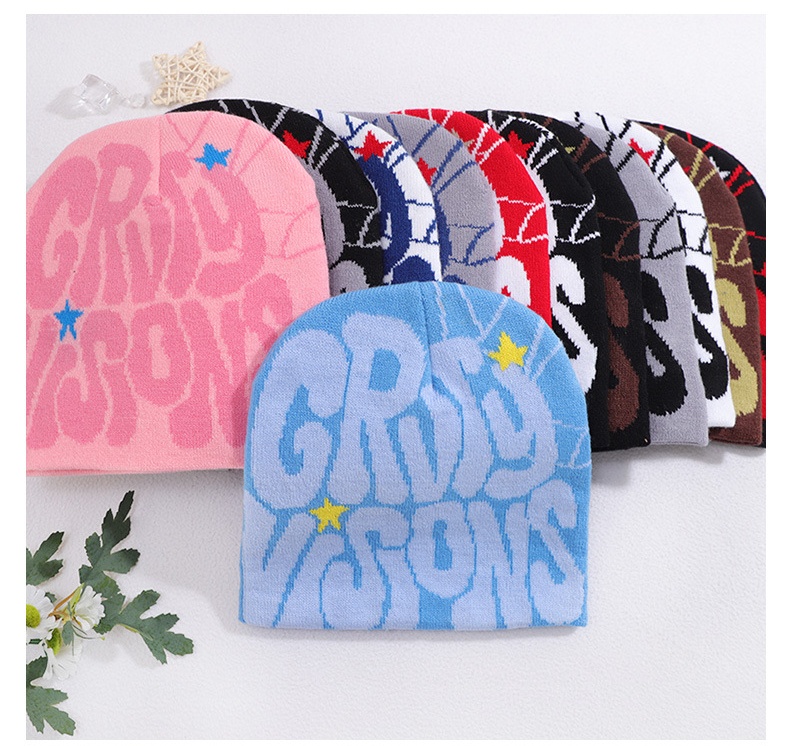
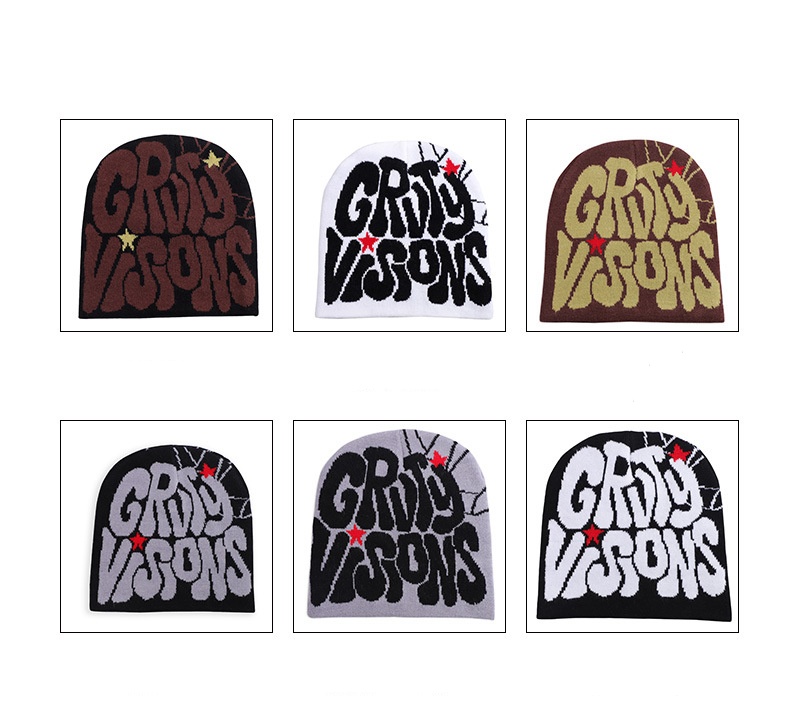
Wool's thermal advantage is structural, not just perceptual. Each wool fiber has a natural crimp that creates air pockets within the knit structure—dead air being the primary insulator. More importantly, wool continues to insulate even when damp. A wool knit hat that has absorbed perspiration from a worker moving between a cold outdoor environment and a heated building still provides meaningful insulation. Wet acrylic loses a significant portion of its thermal performance because the fibers compress and lose their loft, eliminating the trapped air that provides insulation.
For outdoor workers in genuinely cold conditions—below freezing—the wool knit hat's performance advantage over acrylic is real and measurable. For indoor workers or mild-winter environments, the thermal difference is less pronounced and acrylic performs adequately.
Both fibers absorb moisture, but they handle it differently. Wool can absorb up to 30% of its weight in moisture without feeling wet, releasing it slowly through evaporation. This means a wool knit hat worn during active work resists the "soggy cap" feeling that acrylic produces when it reaches its saturation point. Acrylic absorbs roughly 2–3% of its weight before feeling damp, which means in high-sweat conditions it can feel wet and uncomfortable relatively quickly.
For physically active outdoor work—construction, landscaping, delivery—the moisture management advantage of wool is meaningful. For stationary or light-activity roles, acrylic handles moisture adequately.
Acrylic is the more abrasion-resistant fiber and tolerates machine laundering without special care requirements. A quality acrylic knit hat maintains its shape, color, and texture through 50–80 wash cycles with standard laundry procedures. Wool requires more careful handling—cold water, gentle cycle, flat drying—which is not always compatible with industrial or institutional laundry environments. Wool hats laundered repeatedly in commercial laundries can felt, shrink, or lose their shape more quickly than acrylic.
In a workwear program where caps are laundered daily with heavy-duty industrial detergent and high-temperature cycles, acrylic knit hats last significantly longer than wool equivalents. In a program where hats are laundered infrequently by hand or in home machines, wool can perform competitively on longevity.
The care requirement of a fiber has operational implications that B2B buyers should factor into their program design. If your workwear program distributes 1,000 knitted hats across multiple sites and those hats will be laundered in industrial laundries at 60°C, specifying wool is a practical problem. Acrylic tolerates this environment without complaint. Wool, without special treatment, will degrade.
Some manufacturers offer "superwash" treated wool that tolerates machine washing—extending wool's operational viability in institutional laundry environments. This treatment adds cost but addresses the primary operational objection to wool in workwear programs.
Acrylic is significantly less expensive than wool. At equivalent construction quality, an acrylic knit hat costs approximately 40–60% less than the wool equivalent. For bulk workwear distribution programs where cost per unit matters and individual garment care is unpredictable, acrylic's price advantage is compelling. For premium or gift-program knitted hats where price sensitivity is lower and care environments are controlled, wool's performance and luxury feel justify the premium.
The most practical solution for many workwear programs is a wool-acrylic blend—typically 50% wool, 50% acrylic. This blend captures wool's thermal and moisture management properties while gaining acrylic's durability and easy-care characteristics. A knitted hat supplier who produces blended constructions can often deliver a product that outperforms either pure fiber option in the demanding conditions of a real workwear program.
For cold storage environments, a wool knit hat or wool-blend construction is preferred because of its continued warmth when damp and superior moisture management. Pure acrylic will feel cold and clammy when it absorbs condensation, reducing worker comfort and compliance with the uniform policy.
A quality acrylic knit hat in a daily-use workwear program typically maintains acceptable appearance and warmth for 2–3 seasons (18–30 months). This assumes industrial laundering. Hand or home laundering extends the service life considerably.
Yes, with the right care specification. A wool knit hat for outdoor construction should use superwash-treated wool or a wool blend that tolerates the laundering conditions at the job site. Pure, untreated wool is not recommended for heavy industrial laundry environments.
A 50/50 wool-acrylic knit hat typically costs approximately 20–35% less than a pure wool equivalent while delivering most of wool's thermal performance. At volumes of 500–2,000 units, the unit cost of a blend is typically $4–$8 per hat.
Both fibers accept embroidery and decoration equally well. Wool has a slightly more premium visual appearance that some buyers prefer for corporate gift and premium workwear programs. Acrylic maintains a clean, consistent appearance through heavy laundering better than wool, which can develop a slightly matted appearance over many wash cycles.
The acrylic versus wool decision for knitted hats is context-dependent, not absolute. For high-volume workwear programs with industrial laundering, acrylic or wool-blend constructions offer the best balance of cost, durability, and performance. For premium, controlled-care environments, pure wool delivers superior warmth and a luxury hand feel that justifies its cost. A knitted hat supplier who asks about your specific use environment and care procedures is the right partner—they will guide you to the material that actually solves your problem, not just the one with the lower price tag.
M. Abrams & J. Saunders. (2021). "Thermal insulation properties of natural and synthetic fiber knit structures for protective headwear." Textile Research Journal, 91(11–12), 2489–2502.
K. Bhatia & L. Sharma. (2020). "Moisture management in wool and acrylic workwear fabrics under cold stress conditions." Journal of Industrial Textiles, 50(3), 387–404.
Lenzing AG. (2023). Wool and Wool Blend Performance in Industrial Laundering Environments. Technical Literature.
P. Kumar & R. Singh. (2022). "Ergonomic fit and comfort evaluation of knit headwear in cold work environments." Applied Ergonomics, 101, 103685.
ASTM International. ASTM D1776: Standard Practice for Conditioning and Testing Textiles.
FOR NEWSLETTER
Subscribe to the weekly newsletter for all the latest updates