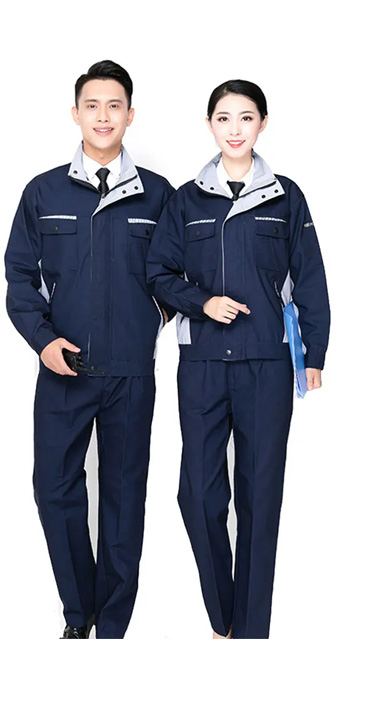
Among promotional products, apparel items consistently rank highest in retained impressions and long-term use. The Advertising Specialty Institute (ASI) surveys show that branded headwear—particularly caps—generates more impressions per item than virtually any other promotional category. A quality custom baseball cap is worn an average of 210 days per year, compared to 60–90 days for most other promotional items. Every day a cap is worn is a day of unpaid brand exposure.
The appeal is universal. Baseball caps transcend demographic, professional, and cultural boundaries. Construction workers, outdoor enthusiasts, corporate teams, and retail shoppers all wear caps. This breadth of appeal makes a branded cap appropriate for almost any organization—a flexibility that few other branded items can match.
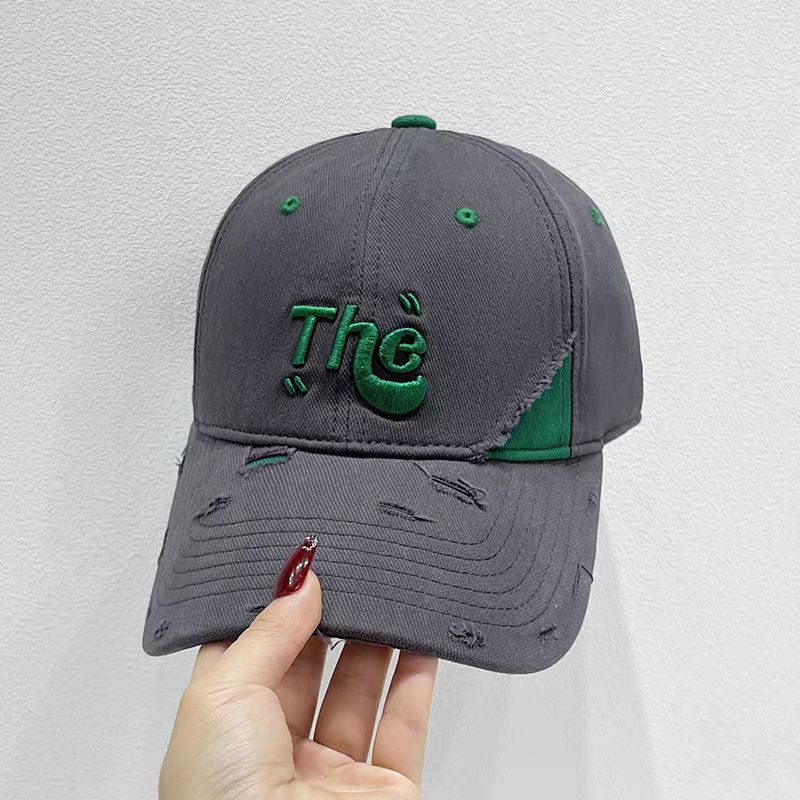
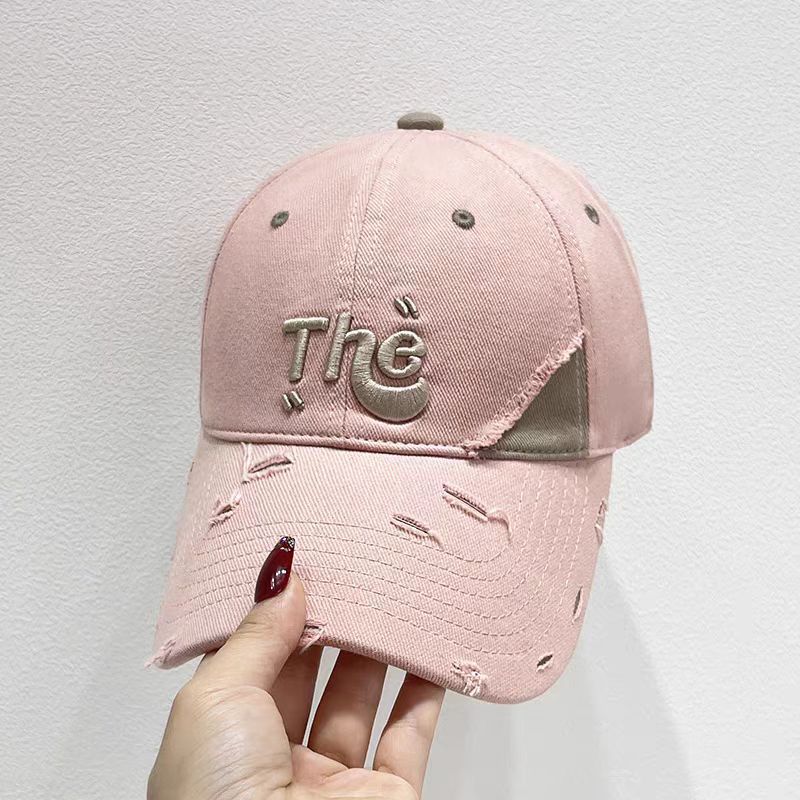
A standard baseball cap is built from six fabric panels sewn together to form the crown. The front two panels are typically made from a stiffer, more structured fabric to hold the logo embroidery or print in the prominent front panel position. The rear four panels provide coverage and fit flexibility. The number of panels is standardized (six for standard caps, five for "fitted" styles), but the material and finishing of each panel determines the cap's drape and durability.
The visor—or brim—is usually made from the same fabric as the crown but often includes a cardboard or plastic insert for stiffness. The underside of the visor is typically covered in a contrasting or branded fabric. The visor shape varies: flat brims are preferred for embroidery visibility and screen printing; curved brims offer a more traditional look. A baseball cap manufacturer will produce either based on the buyer's preference.
Cap back closures determine fit. Common systems include plastic snapbacks (adjustable in 1cm increments), metal snapbacks, strapbacks with a tri-glide buckle, and fitted constructions without any closure. Each has cost and brand implications. Snapbacks are the most common for branded caps because they allow one-size-fits-most distribution at reasonable cost. Fitted caps require size-specific production and are typically used for premium retail-quality headwear.
Embroidered caps are the gold standard for brand presentation in headwear. The logo is stitched directly into the front panel using colored thread, creating a raised, tactile, three-dimensional brand mark that is durable, professional, and immediately identifiable. Stitch count determines detail: a simple logo can be produced at 8,000–12,000 stitches; complex designs may require 25,000+ stitches and carry higher per-unit costs. A well-executed embroidered logo on a quality branded cap communicates premium quality to anyone who sees it.
Printed caps using screen printing allow full-color, photographic-quality designs that embroidery cannot replicate. This method is preferred for complex logos, gradient artwork, or photographic images. Screen printing on caps requires careful ink selection and cure procedures to maintain flexibility without cracking as the cap flexes during wear. For promotional caps with complex artwork, this is typically the more cost-effective decoration route compared to high-stitch-count embroidery.
All-over sublimation printing—where the entire cap crown is printed before construction—produces a seamless, fully branded appearance. This technique is common in sports team and lifestyle brand custom caps. Heat-applied patches and woven labels are additional options that add texture and brand identity without the cost of full embroidery.
The fabric of the cap crown affects both appearance and wear performance. Cotton twill is the traditional choice—durable, versatile, and responsive to decoration. Performance mesh caps using polyester offer moisture-wicking properties useful for athletic and outdoor corporate programs. Denim, canvas, and wool blends serve premium and fashion-positioned brands. A wholesale baseball cap program should specify fabric based on the end-use environment: outdoor field teams need mesh and performance fabrics; corporate hospitality staff need cotton twill for a professional, clean look.
Baseball cap manufacturers typically set MOQs between 72 and 300 pieces for screen-printed caps and 144 and 500 pieces for embroidered caps. Decoration setup costs (screen preparation, digitizing embroidery files) are amortized across the order volume. At higher volumes, per-unit costs decline significantly—moving from 144 units to 1,000 units typically reduces unit cost by 35–50%. Buyers with modest needs should plan for 6–8 week lead times to accommodate setup and production scheduling.
For a simple text or icon logo, embroidery is typically the best choice. It is more durable than printing, has a premium tactile quality, and the setup cost is manageable at volumes above 144 units. For single-color text, embroidery stitch counts are low and per-unit costs are very competitive.
Yes. Most baseball cap manufacturers offer pre-production samples for a sample fee (typically $15–$40 per cap), which is credited against the bulk order if placed. Sampling is strongly recommended—cap fit, fabric quality, and logo appearance can only be fully evaluated on a physical sample.
From artwork approval to delivery, expect 4–6 weeks for standard decorated orders at low volumes, and 6–10 weeks for higher volumes or complex decoration (sublimation, appliqué). Rush orders with premium pricing can sometimes be accommodated in 2–3 weeks for simpler designs.
At 300–500 units, a quality screen-printed cotton twill custom baseball cap typically costs $3.50–$7.00 per unit. Embroidered versions at equivalent volume run $5.00–$12.00 depending on stitch count and fabric. Premium materials and complex construction add further cost.
Extremely suitable. Performance mesh baseball caps with moisture-wicking polyester and UV-protective fabrics are specifically designed for athletic and outdoor use. A branded cap worn at an outdoor event is one of the highest-ROI promotional investments available—each wearer generates hundreds of impressions at essentially zero marginal cost after the initial production investment.
Custom baseball caps remain one of the most powerful and versatile branded merchandise tools available to B2B buyers. Their universal appeal, high wearing frequency, and decoration flexibility make them effective across industries and use cases. A baseball cap manufacturer that understands your brand application—whether corporate uniform, promotional giveaway, or retail product—can guide you to the right construction, fabric, and decoration combination to maximize brand impact per dollar invested.
Advertising Specialty Institute. (2024). ASI Promotional Products Impressions Study. ASI Research.
McKinsey & Company. (2023). The Promotional Products Industry: Growth Drivers and Market Trends.
P. Edwards & R. Lewis. (2022). "Brand recall and consumer perception of embroidered versus printed logo apparel." Journal of Brand Strategy, 11(2), 178–193.
Journal of Product & Brand Management. (2021). "Longevity and impression value of promotional merchandise categories." Journal of Product & Brand Management, 30(7), 1021–1036.
T. Yamamoto & L. Chen. (2023). "Consumer preference and perceived quality in embroidered versus printed headwear." Fashion and Textiles, 10(1), 1–18.
FOR NEWSLETTER
Subscribe to the weekly newsletter for all the latest updates