Bucket hats were a utility item—a fisherman hat with a downward-sloping brim—through most of the twentieth century. The past decade has seen them re-emerge as a streetwear and lifestyle staple, adopted by luxury and mass-market brands alike. This is not a passing trend. Data from the Lyst fashion search platform consistently places bucket hats in the top five searched accessory categories. The combination of universal fit (no sizing required), print-friendly crown surface, and crossover appeal across demographics makes custom bucket hats an attractive product category for brands building or extending headwear lines.
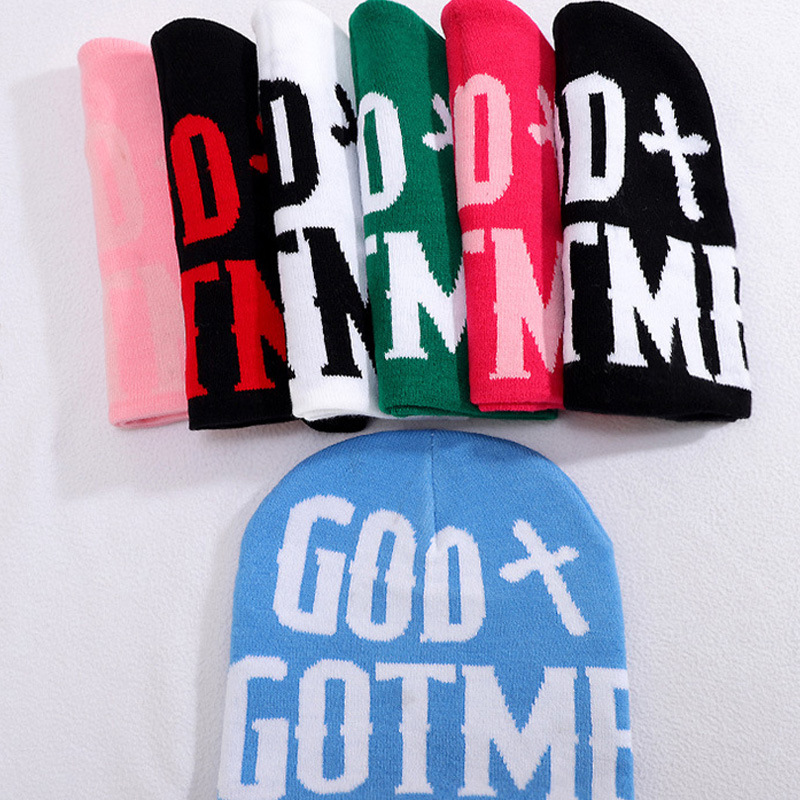
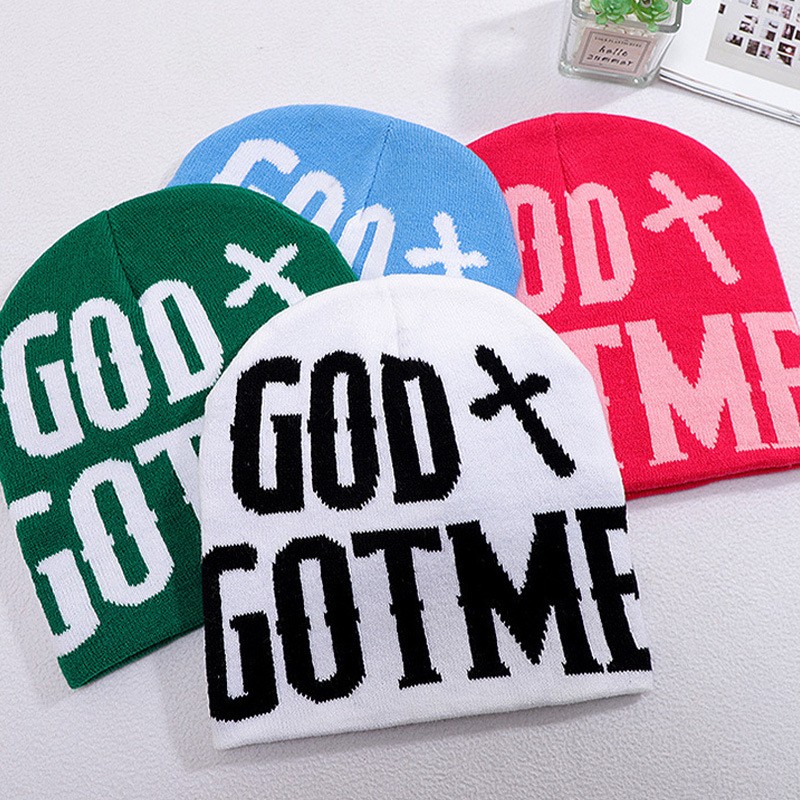
A bucket hat is built from a crown panel—typically circular or slightly contoured—and a brim that extends outward and slightly downward around the base of the crown. The brim is usually made from the same fabric as the crown but often includes a light internal interfacing for stiffness. The crown is typically constructed from two or four panels depending on the desired shape profile. A four-panel bucket hat produces a more rounded, relaxed crown; a two-panel version creates a taller, more structured silhouette.
The bottom edge of the crown is finished with a sewn channel that contains a drawstring or elastic band, allowing the hat to fit securely without sizing. The brim edge is typically finished with a sewn seam or overlocked stitch. Quality bucket hat manufacturers pay attention to the interior finishing—the inside of a well-constructed bucket hat should be as clean as the outside, with no raw seam edges visible.
Cotton twill is the most common material for bucket hats in fashion and lifestyle contexts. It takes screen printing and embroidery equally well, drapes naturally, and has broad consumer familiarity. Cotton twill bucket hats can be produced at mid-volume for $3.50–$8.00 per unit depending on construction quality and decoration complexity.
Washed cotton—where the finished hat is laundered to create a soft, slightly worn texture—is increasingly popular for fashion-positioned custom bucket hats. The washed finish gives immediate softness and a premium feel that appeals to consumers seeking a casual, "lived-in" aesthetic. Brushed cotton adds a napped surface texture that provides visual depth and enhanced warmth.
For activewear and outdoor-positioned brands, bucket hats in water-resistant nylon, recycled polyester, or UV-protective fabrics serve markets that value sun protection and weather resistance. These materials allow performance marketing claims that justify higher retail price points. A wholesale bucket hat in performance nylon typically commands $8.00–$16.00 per unit at mid-volume.
Texture-forward fabrics—corduroy, denim, wool blends, and canvas—position a bucket hat at the premium end of the market. These materials attract consumers who value craftsmanship and tactile quality. A fashion bucket hat in corduroy or denim with a woven label and quality construction justifies $18–$35 retail pricing, offering strong margin structure for the brand.
The crown of a bucket hat provides a large, flat surface that is highly receptive to a range of branding techniques. Screen printing works well on allover patterns and photographic designs. Embroidery adds dimension to logos on the front or side panel. Woven labels sewn into the interior crown band are a clean, premium branding detail. Embroidered eyelets—decorative holes on the crown—add ventilation and a classic visual marker of quality headwear construction.
Most bucket hat manufacturers producing for fashion and retail brands are located in China, Vietnam, and Bangladesh. Production MOQs typically range from 150 to 500 pieces per color. The two most significant supply chain risks are brim stiffness consistency (brims that are too soft will not hold their shape) and color matching against lab-dip references. Both are manageable with clear specification documents and pre-production sample approval. A physical pre-production sample review before bulk cutting is essential—the gap between a sample and bulk production is wider with bucket hats than with many other apparel categories.
Most bucket hat manufacturers set MOQs between 150 and 500 pieces per color for screen-printed designs, and 200–500 for embroidered versions. Some suppliers accept lower volumes at premium per-unit pricing for initial orders or limited-edition runs.
Yes. Bucket hats pack flat easily and compress to approximately 2–3cm height when not in use—significantly reducing shipping costs compared to rigid headwear. They can also be folded and packed into polybags or branded boxes. Bulk export packing typically uses master cartons of 50–100 units.
Brim stiffness is a function of the interfacing used and the fabric weight. Fashion-forward brands targeting a relaxed drape prefer a softer brim that moves naturally. Outdoor and functional brands need stiffer brims that maintain sun protection in wind. Specify the desired drape profile in your tech pack and review with the supplier using brim stiffness samples.
The beauty of bucket hats for B2B buyers is their one-size-fits-most construction. The internal drawstring allows adjustment across head sizes from approximately 54cm to 60cm. This eliminates the need for size-specific production and simplifies inventory management significantly.
Yes. Bucket hats are particularly well-suited to wholesale because they require no size breakdown, offer strong visual impact on a display table, and have universal seasonal relevance. A private label bucket hat program with two to four seasonal colorways can be a strong wholesale revenue stream for emerging brands.
Custom bucket hats represent a compelling product category for fashion brands and retailers seeking to build or extend headwear lines. Their broad consumer appeal, manageable production complexity, and flexible branding surface make them accessible to brands at every stage. The key to success is working with a bucket hat manufacturer who understands your target market's aesthetic preferences and can translate them into a hat that performs both on the head and on the shelf.
Lyst. (2024). Fashion Search Trends Report: Headwear Category Analysis 2023–2024. Lyst Insights.
McKinsey & Company. (2023). The State of Fashion: Accessories and Emerging Categories.
J. Thompson. (2022). "Streetwear aesthetics and consumer adoption of bucket hat styles." Journal of Fashion Marketing and Management, 26(3), 456–472.
Textile Research Journal. (2021). "Fabric selection and performance characteristics in casual headwear construction." Textile Research Journal, 91(7–8), 892–905.
Global Headwear Association. (2023). Headwear Production Standards and Quality Guidelines.
FOR NEWSLETTER
Subscribe to the weekly newsletter for all the latest updates