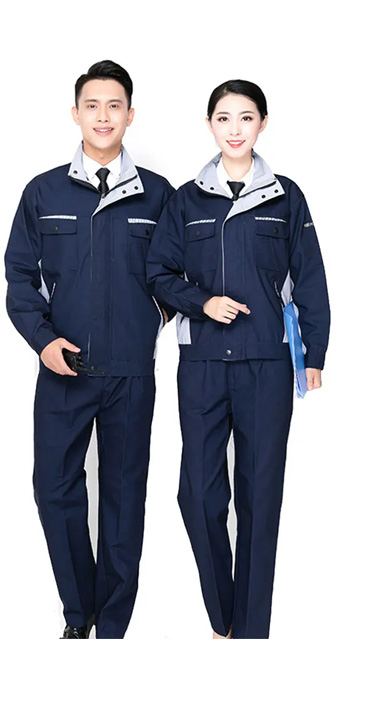
In an industry where a single production run may involve thousands of individual sewing operations, each performed by a different worker on a different machine, defects are not an anomaly—they are an inevitability. The question is not whether defects will occur but whether they are caught before the garment leaves the factory. For buyers sourcing custom apparel, the quality inspection process is the last line of defense against defective goods reaching your warehouse.
Skipping or skimping on inspection is a common cost-cutting mistake. A 3% defect rate on a 10,000-unit order means 300 defective garments. At a retail price of $40 each, that is $12,000 in potential returns or write-offs—far exceeding the cost of hiring a third-party inspector at $150 to $300 per day. A structured apparel quality control process protects both your product and your margins.


AQL (Acceptable Quality Limit) is the maximum percentage of defective items considered tolerable in a production lot. It is not the quality standard you aspire to—it is the worst quality you are willing to accept. AQL is defined before production begins and written into the purchase contract, so both the buyer and the apparel supplier know the threshold.
Common AQL levels in garment manufacturing:
AQL 1.0: Very strict. Applied to premium retail or brand-label garments where any visible defect is unacceptable.
AQL 2.5: Standard for general apparel. Industry default for most custom apparel manufacturing programs.
AQL 4.0: Lenient. Used for basic promotional apparel or high-volume, low-price garments.
AQL inspection uses sampling plans from ISO 2859-1 (equivalent to ANSI/ASQ Z1.4). The sample size is determined by the lot size, not by what feels like enough. A lot of 5,000 garments requires a larger sample than a lot of 500. The inspector counts defects in the sample, compares against the acceptance number for the specified AQL, and makes a pass/fail decision on the entire lot.
Not all defects carry equal weight. The quality inspection process classifies defects into three tiers, each with different acceptance criteria:
Critical defects are safety hazards or render the garment completely unusable. Examples include missing or broken needles left inside the garment (a safety hazard), open seams in structural areas, or incorrect labeling that violates regulatory requirements. Zero critical defects are typically accepted. A lot with even one critical defect is rejected outright.
Major defects significantly affect the garment's usability, appearance, or saleability. Examples include unaligned patterns or mismatched prints, incorrect color or shade between panels, broken or skipped stitches in main seams, missing or malfunctioning hardware (zippers, buttons), and fabric defects (holes, snags, dye flaws) in visible areas. AQL 2.5 for major defects typically allows 1–2% defective items in the sample.
Minor defects are cosmetic issues that do not materially affect wearability. Small thread pulls, minor shade variation between inside and outside panels, loose threads that can be trimmed, or slight label placement deviation fall into this category. Minor defect allowances are more lenient—typically 2–4% under AQL 2.5.
Inline inspection occurs while the garment is still on the production line—typically at 10%, 50%, and 80% completion. This is the most valuable inspection because it catches defects early enough to correct before the entire lot is sewn. If 50% of garments are inspected and a systematic defect appears (say, wrong stitch tension on a specific machine), the production manager can stop and recalibrate before the remaining 50% are completed.
The final garment inspection is performed on finished, packed garments before they leave the factory. This is the most common inspection point and the one most buyers rely on. The inspector draws a sample per the AQL plan, inspects each garment for all three defect classes, and issues a pass or fail report.
When goods have already arrived at the destination, a docked inspection assesses the actual condition of the shipment. This is typically used when inline or final inspection was not performed, or when the buyer has reason to suspect quality issues during transit. Sorting inspections separate defective units from good units for rework or return.
A practical quality control process for a B2B apparel buyer involves four elements:
Written specifications: A complete tech pack leaves no ambiguity about what "correct" means. Every measurement, construction detail, and material requirement should be documented before production starts.
Inspector selection: Use a qualified third-party QC company (QIMA, Asia Quality Focus, AsiaInspection) or an in-house inspector for orders above $10,000. Do not rely solely on the factory's own QC team—they have a conflict of interest.
Inspection reports: Require photographic documentation of all defects, a summary table of defect types and counts, and a clear pass/fail recommendation. The report is your legal and commercial record if disputes arise later.
Escalation protocols: Define in your purchase contract what happens when a lot fails inspection. Options include 100% re-sort, rework and re-inspection, price reduction, or order cancellation.
For most custom apparel manufacturing programs, AQL 2.5 is the standard starting point. For premium or brand-level garments where every visible defect is unacceptable, specify AQL 1.0. For basic promotional or high-volume low-price items, AQL 4.0 may be commercially acceptable—accepting that some visible defects will reach customers.
For a lot of 5,001–10,000 units, the standard sample size under ISO 2859-1 is 200 garments. For 10,001–35,000 units, it is 315 garments. The inspector inspects each garment in the sample and counts defects by class. If the number of defective garments exceeds the acceptance number for the specified AQL, the lot fails.
For orders above $10,000, a third-party inspector is strongly recommended. The factory QC team reports to factory management and may be reluctant to fail a lot they are responsible for producing. An independent inspector provides objective assessment and photographic documentation that protects both buyer and supplier in a dispute.
Third-party inspection services typically charge $150–$350 per inspector per day, depending on the country and the complexity of the order. A one-day inspection for a standard 10,000-unit order costs less than 0.5% of the order value—a fraction of the cost of accepting a defective shipment.
Yes, but at significant cost. 100% inspection means every garment is checked individually. For labor-intensive garments, this can add 15–25% to the production cost. It is rarely justified unless the end use is safety-critical or the buyer has a history of serious quality issues with a particular supplier.
Quality inspection standards in garment manufacturing exist to protect buyers from defects, not to burden suppliers. A well-specified AQL, clear defect classifications, structured inspection stages, and independent inspection resources collectively create a quality control system that catches problems early, documents results clearly, and gives both parties a fair, objective basis for acceptance or rejection. Investing in a rigorous QC process is one of the highest-return decisions a custom apparel buyer can make.
International Organization for Standardization. (2020). ISO 2859-1:2020 – Sampling Procedures for Inspection by Attributes. ISO.
American Society for Quality. (2021). AQL Tables: Understanding Acceptable Quality Limits in Manufacturing Inspection. ASQ.
R. Perry et al. (2022). "Tech pack quality and sampling efficiency in apparel OEM relationships." International Journal of Clothing Science and Technology, 34(3), 389–408.
J. Freifeld. (2023). "Quality assurance frameworks in global apparel supply chains." Journal of Fashion Marketing and Management, 27(4), 512–530.
L. Chang & M. Kincade. (2023). "Supply chain risk management in custom clothing manufacturing." Journal of Manufacturing Technology Management, 34(7), 1456–1475.
FOR NEWSLETTER
Subscribe to the weekly newsletter for all the latest updates